Insider tips for affordable garden maintenance Vanbrugh Park
If your garden in Vanbrugh Park looks fine from the kitchen window but turns into a weekend time sink the moment you step outside, you are not alone. The good news is that affordable garden maintenance does not have to mean patchy results, rushed jobs, or a garden that only looks decent for two weeks after a tidy-up. With the right approach, you can keep things healthy, neat, and genuinely pleasant to use without paying for work you do not need.
This guide pulls together practical, local-minded Insider tips for affordable garden maintenance Vanbrugh Park, with a focus on stretching every pound, avoiding common waste, and choosing the jobs that actually protect your garden over time. A lot of cost comes from delay, not labour. Let things drift, and suddenly the hedge, lawn, patio, and beds all want attention at once. Keep on top of the right tasks, and the whole place becomes easier to manage. Simple as that, really.
Table of Contents
- Why Insider tips for affordable garden maintenance Vanbrugh Park Matters
- How Insider tips for affordable garden maintenance Vanbrugh Park Works
- Key Benefits and Practical Advantages
- Who This Is For and When It Makes Sense
- Step-by-Step Guidance
- Expert Tips for Better Results
- Common Mistakes to Avoid
- Tools, Resources and Recommendations
- Law, Compliance, Standards, or Best Practice
- Options, Methods, or Comparison Table
- Case Study or Real-World Example
- Practical Checklist
- Conclusion
- Frequently Asked Questions
Why Insider tips for affordable garden maintenance Vanbrugh Park Matters
Vanbrugh Park gardens often need a practical, balanced approach. Many homes have modest front spaces, compact rear gardens, patios, narrow side access, or a mix of planting and hard landscaping. That means the best maintenance plan is not always the most dramatic one. It is the one that keeps the space under control without unnecessary spending.
Affordable garden care matters for three reasons. First, plants respond better to regular light maintenance than to occasional heavy rescue work. Second, neglected outdoor areas can quickly become more expensive to restore than to maintain. Third, a tidy, low-stress garden is one you will actually use. And if you have ever looked out at a mossy patio, a hedge that has got a bit too ambitious, and a lawn that feels more like a suggestion than a surface, you know how quickly the mood can dip.
Local conditions also play a role. Urban gardens can face shade, wind, compacted soil, awkward boundaries, and foot traffic from family, pets, or narrow access routes. Those details affect what to prune, what to keep, and what to simplify. A well-planned maintenance routine saves money by reducing repeat labour and avoiding avoidable damage. That is the heart of it.
For broader support, many homeowners combine a light routine with targeted help from professional garden maintenance in Westcombe Park or use specialist help when the job becomes too much to manage alone.
How Insider tips for affordable garden maintenance Vanbrugh Park Works
The trick is to think in layers. Some tasks are weekly or fortnightly. Others are seasonal. A few only matter when conditions change. When you separate these properly, you stop paying for the wrong things at the wrong time.
Affordable garden maintenance usually works best when you:
- spot the high-impact jobs that prevent bigger problems;
- bundle tasks together so visits or work sessions are more efficient;
- choose maintenance methods that reduce future work, not just current mess;
- use the right service level for the right surface, plant, or structure;
- avoid over-specifying things that do not need perfection.
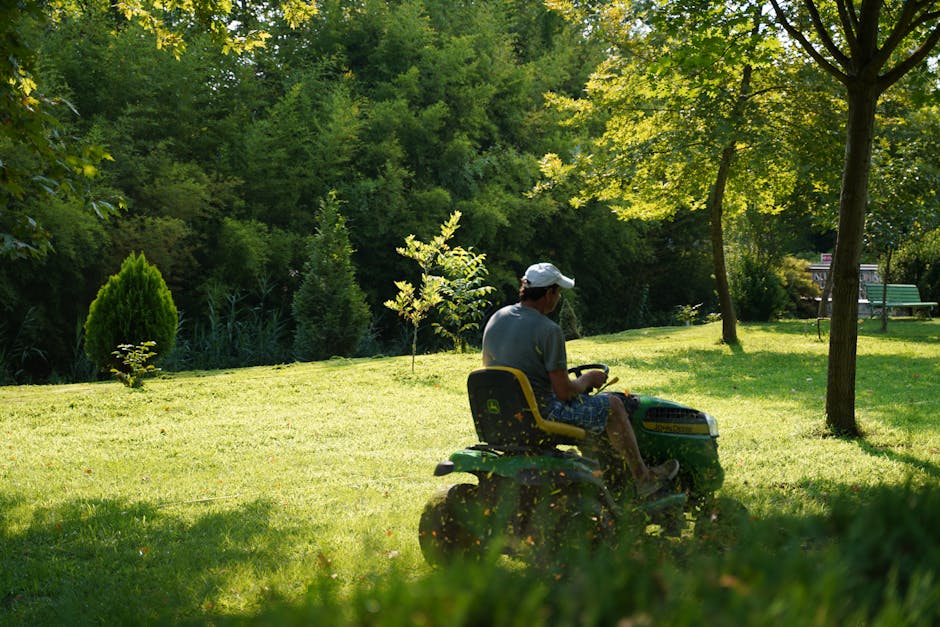
For example, regular cutting of a lawn is often cheaper than a full recovery after several weeks of growth. You can see the same pattern with hedges, paths, and beds. Small, frequent interventions are nearly always less costly than dramatic catch-up work. That is why services like lawn mowing in Westcombe Park and lawn care support can be more affordable in the long run than a rescue-only approach.
Another part of how it works is prioritising structure over decoration. A healthy border, sharp edge, or clean patio makes the whole garden feel cared for even if every plant is not perfect. A lot of people spend money on new plants when what they really need is a better rhythm of tidying, feeding, watering, and pruning. Truth be told, the garden usually wants consistency more than a grand gesture.
Key Benefits and Practical Advantages
Affordable garden maintenance is not just about paying less. It is about getting better value from each task. That can mean cleaner surfaces, stronger plants, fewer emergency call-outs, and less weekend guilt hanging over you every time the weather turns nice.
1. You avoid expensive catch-up work
Allowing weeds, moss, or overgrowth to build up usually means more labour later. A modest routine keeps jobs smaller and more predictable.
2. Your garden stays usable
A path that is clear, a hedge that does not crowd the light, and a lawn that can actually be walked on all make the space more functional.
3. Plants perform better
Light, timely maintenance helps the right plants thrive. That includes deadheading, mulching, trimming, and removing competition around roots.
4. Hard surfaces last longer
Patios, decking, and fencing often benefit from regular cleaning and inspection. Catch issues early and you are less likely to face full replacement. If your outdoor surfaces need attention, services such as patio cleaning and decking services can be a sensible part of the plan.
5. You gain peace of mind
There is a real comfort in knowing the garden is under control. Not perfect. Just managed. And for most people, that is the sweet spot.
Expert summary: The cheapest garden maintenance is usually the work that prevents bigger work. If a task reduces weed spread, storm damage, moisture buildup, or overgrowth, it is likely worth keeping in the routine.
Who This Is For and When It Makes Sense
This approach suits a wide range of householders in Vanbrugh Park. In practice, it is especially useful for people who want a decent-looking outdoor space without treating gardening like a second job.
- Busy households: you want the garden tidy, but time is limited.
- Older homeowners: you may prefer lighter upkeep and safer access.
- Landlords or property managers: presentation matters, but budgets need discipline.
- New homeowners: you are still learning which jobs matter most.
- Pet owners and families: the garden sees more wear and tear, so sensible maintenance pays off.
It also makes sense if your garden has one or more of these issues:
- fast-growing hedges;
- shady borders that go mossy;
- patchy lawn areas;
- wind exposure;
- limited storage for tools;
- hard landscaping that slips into neglect;
- mixed planting that needs seasonal rather than constant intervention.
If the garden has structural features like fencing, taller trees, or awkward boundaries, it may be worth using specialist support. For example, hedge trimming, tree surgery, and fencing work are the kinds of jobs where paying for proper handling can actually save money by preventing damage.
Step-by-Step Guidance
If you want a more affordable garden, start by making the work visible. Sounds obvious, but many gardens hide their problem areas until they become expensive. Walk the space and note where water pools, where weeds return quickly, where growth blocks light, and where surfaces are slipping or staining.
- List the jobs by urgency. Separate "must do soon" from "nice to do". Cutting a hedge back from a path is urgent; replanting a decorative corner may not be.
- Group similar tasks together. Do mowing, edging, and weeding in one session if possible. Do not keep revisiting the same corner for tiny jobs.
- Set maintenance intervals. Weekly, fortnightly, monthly, and seasonal. That structure prevents the garden from running away from you.
- Reduce the number of difficult areas. A bed that constantly weeds may need ground cover, mulching, or a change in planting style.
- Use the right level of professional input. You do not need everything done by a specialist, but certain jobs benefit from proper tools and know-how.
- Review after each season. Ask what caused the most effort and what could be simplified next time.
A useful habit is to look for repeat offenders. If the same bed keeps drying out, the same hedge keeps sprinting skyward, or the same corner fills with leaves, you are not dealing with a one-off issue. You are dealing with a maintenance pattern. Fix the pattern, not just the symptom.
If your garden needs broader attention beyond tidying, a combined approach with gardening services in Westcombe Park or a planned landscaping update can help reset the space without chasing one problem at a time.
Expert Tips for Better Results
Here is where the savings become a bit smarter. These are the practical habits that usually separate a tidy garden from an expensive one.
Use mulch properly
Mulch suppresses weeds, holds moisture, and improves the look of beds. That means fewer watering and weeding hours later. Do not pile it against stems, though. That is one of those things people do in a rush and then regret.
Keep edges crisp
A clean lawn edge or border line makes everything look deliberate. It is a small job with a disproportionate impact. A garden can look half done when the edges are fuzzy.
Cut hedges before they get bulky
Hedges are cheaper to maintain when trimmed regularly. Once they become too wide or too tall, the work becomes slower, messier, and more expensive. If privacy matters, plan the hedge shape early rather than trying to tame it later. You might find useful ideas in quick-growing hedge ideas for privacy and creative hedge trimming techniques.
Choose plants that earn their place
In a cost-conscious garden, every plant should do something useful: provide structure, colour, cover, scent, shade, or seasonal interest. That is why low-maintenance planting and resilient ground cover often make more sense than fussy, high-input beds. There is a solid case for reading about low-maintenance gardening ideas and ground covers that reduce upkeep.
Think in water-saving terms
Containers, dry corners, and newly planted areas often need more attention than established beds. Water deeply but less often where appropriate, and group thirsty plants together if you can. That little bit of planning reduces waste and work.
Watch for hidden time drains
Sometimes the expensive part is not the obvious one. A wobbly fence panel, an overhanging tree limb, or algae on a patio can quietly eat up time and attention. Deal with the thing that causes the repeated nuisance. It is rarely glamorous, but it is effective.
Make use of garden waste
Not all cuttings need to be bagged and removed. Where suitable, green waste can be composted or reused as soil improver. For a practical angle on this, see the thinking behind using garden waste to improve soil.
Common Mistakes to Avoid
Budget gardening often goes wrong in predictable ways. The positive side? They are avoidable once you know what to look for.
- Waiting too long between visits. What starts as a quick tidy becomes a half-day reset.
- Buying plants before solving structure. If the base layout is awkward, plants will not fix it.
- Overcutting lawns or hedges. Cutting too hard can stress plants and create more problems later.
- Ignoring drainage or shade issues. The same problems return until the root cause is addressed.
- Using the wrong tools. It sounds trivial until a blunt tool turns a simple job into a frustrating one. A decent kit matters more than people think; see the basics in garden toolkit essentials.
- Trying to do everything at once. That is how people burn out and leave the rest unfinished.
One slightly annoying truth: a lot of "affordable" maintenance becomes expensive because the first attempt was too ambitious. Better to do less, well, and repeat it regularly. That tends to win.
Tools, Resources and Recommendations
You do not need a shed full of equipment to keep a garden in shape, but a sensible core kit saves time and frustration. If you are maintaining a small to medium garden in Vanbrugh Park, focus on tools that help you do the same task efficiently, not gadgets that sit there looking determined.
Useful tools for budget-friendly upkeep
- sharp shears or secateurs for light pruning;
- a sturdy hoe or hand weeder for regular weed control;
- mower suited to the lawn size, if applicable;
- rake and leaf collector for seasonal clean-ups;
- gloves with a bit of grip, because wet leaves are slippery little things;
- watering can or hose with a sensible reach;
- spade and fork for border work and edging;
- broom or stiff brush for patios and decking.
Useful maintenance areas to keep an eye on
Different parts of the garden age differently. Lawns need rhythm. Hedges need control. Patios need cleaning before slippery buildup takes hold. Decking needs inspection as much as washing. Fences need checking after windy spells. These surfaces and structures are often where affordable maintenance pays off fastest because a small fix delays a large expense.
If you are weighing up which part of the outdoor space to prioritise first, the most common order is: safety, structure, then appearance. That means paths, steps, unstable borders, overgrowth, and water-related issues first. The prettiness can come after. And honestly, the garden usually looks better anyway once those basics are handled.
Law, Compliance, Standards, or Best Practice
Garden maintenance is not usually complicated from a compliance point of view, but there are still sensible UK best practices to follow. When trees are involved, for example, check for protected status or planning considerations before major work. If you are unsure, it is safer to ask before cutting.
For fencing, trees, and boundary work, it is wise to confirm ownership and whether the job could affect a neighbour's property. Keep communication friendly and clear. A quick conversation can prevent a lot of hassle later, and nobody wants a tidy hedge turning into a week of awkwardness over the fence line.
Safety matters too. Use proper protective equipment for cutting, lifting, and chemical treatments if you use them at all. Follow product instructions carefully and avoid over-application. For bigger or more technical jobs such as tree reduction, large hedge work, or awkward access, professional help is usually the safer and more economical choice in the end.
Best practice also means being realistic about what a homeowner should do versus what should be outsourced. If a task is dangerous, repetitive, or likely to require specialist equipment, that is a fair point to hand it over.
Options, Methods, or Comparison Table
There is more than one way to keep a garden affordable. The right method depends on time, garden size, and how much of the work you want to do yourself.
| Approach | Best for | Pros | Limitations |
|---|---|---|---|
| DIY routine maintenance | Small gardens, confident owners, regular schedules | Low direct cost, flexible timing, hands-on control | Can become time-consuming; easy to delay tasks |
| Mixed DIY and professional help | Most household gardens in Vanbrugh Park | Good balance of cost, quality, and time saved | Needs clear prioritisation and planning |
| Fully managed maintenance | Busy households, landlords, larger or harder gardens | Reliable, consistent, less stress | Higher ongoing spend, less hands-on control |
In practical terms, many homeowners get the best value from a mixed model. Handle the routine bits yourself if you can, and bring in help for the heavier or more specialised jobs. That way you avoid paying premium rates for simple tasks while still protecting the garden from bigger issues.
It is also worth thinking about the garden as zones rather than one single project. A tidy front area, for instance, can carry a lot of visual weight for very little effort. The rear may need more structural work. That kind of zoning keeps budgets honest.
Case Study or Real-World Example
Take a typical Vanbrugh Park garden: compact lawn, a slightly tired patio, one hedge along the rear boundary, and a few beds that keep producing weeds after rain. Nothing dramatic, but enough to feel like a constant low-level chore.
The owner starts with a full overhaul mindset and quickly realises that is the expensive route. Instead, the work is broken into three phases. First, the hedge is trimmed properly so it stops shading the lawn and crowding the patio. Second, the patio is cleaned so the space feels usable again and does not look grim every time it rains. Third, the beds are mulched and narrowed a little, which reduces weeding time and keeps the space cleaner around the edges.
What changes? The garden becomes easier to keep tidy between visits. The lawn gets more light. The patio stops looking neglected. And the owner notices something a bit unexpected: the garden feels larger, even though nothing was extended. That is the nice bit about smart maintenance. Small improvements stack up. You can almost hear the place breathe a bit easier.
In that sort of scenario, support from patio cleaning and hedge trimming specialists can be a sensible spend because the results affect the whole garden, not just one corner.
Practical Checklist
Use this as a quick reset before the next visit or weekend tidy.
- Inspect the lawn for patchiness, weeds, and uneven growth.
- Check hedges for width, height, and light-blocking areas.
- Clear paths and patios of slippery growth or debris.
- Look for broken fence panels, loose fixings, or leaning sections.
- Remove dead, diseased, or overcrowded plant material.
- Top up mulch where beds are bare and weeds return quickly.
- Review watering needs, especially for containers and new plants.
- Group similar maintenance tasks into one session.
- Decide which jobs are safe DIY and which should be handed over.
- Book seasonal work before the garden becomes overgrown.
Quick takeaway: if a task keeps returning, solve the cause rather than repeatedly paying for the symptom.
Conclusion
Affordable garden maintenance in Vanbrugh Park is really about discipline, timing, and knowing where the real effort belongs. Not every garden needs a full overhaul. Most need steadier care, a few smarter decisions, and the occasional professional hand for the jobs that are awkward, heavy, or best left to someone with the right tools.
When you focus on the high-impact basics, the whole space becomes easier to manage. The lawn looks cleaner, the hedges stop feeling bossy, the patio feels like part of the home again, and you spend less time firefighting. That is the goal. Not perfection. Just a garden that behaves itself.
If you are ready to turn that idea into a practical plan, start with the jobs that save the most time and protect the most value, then build from there.
Get a free quote today and see how much you can save.
There is something quietly satisfying about stepping outside and feeling that the garden is finally on your side. Keep it simple, keep it steady, and it will reward you in ways that are bigger than the budget line.
Frequently Asked Questions
How often should I book garden maintenance in Vanbrugh Park?
It depends on garden size and planting, but many people do best with a light weekly or fortnightly routine plus seasonal visits for larger jobs. Regular attention is usually cheaper than catch-up work.
What are the cheapest garden jobs to keep on top of?
Mowing, edging, light weeding, and simple pruning are the big value tasks. They prevent the garden from looking neglected and reduce the chance of larger remedial work later.
Is it better to do garden maintenance myself or hire help?
A mixed approach usually gives the best value. DIY the straightforward jobs, then use professional help for heavy pruning, tree work, hedge reduction, or awkward areas.
How do I reduce weeding costs without making the garden look bare?
Mulch beds, improve planting density, and use ground cover where suitable. That reduces weed pressure while keeping the space full and tidy.
What garden tasks should never be left too long?
Overgrown hedges, slippery patios, damaged fencing, and neglected lawns tend to become more expensive if ignored. These are the jobs that quietly snowball.
Can patio cleaning really make maintenance cheaper?
Yes. Keeping patios clean improves safety, reduces stubborn buildup, and stops surfaces from deteriorating as quickly. It is a small job with a useful knock-on effect.
What if my garden is too shaded or windy for easy maintenance?
Then the planting and routine need adjusting. Shade-tolerant plants, sturdier structure, and sensible wind protection make the space easier to manage over time.
Should I trim hedges every year or more often?
Most hedges benefit from regular light trimming rather than waiting for them to become large and unruly. The exact timing depends on the hedge type and growth rate.
Do I need professional help for tree work?
For larger branches, tall trees, or anything close to buildings or boundaries, yes, it is usually wiser to use a trained professional. Tree work can become risky very quickly.
How can I tell if my garden has become more expensive to maintain than it should be?
If the same jobs keep coming back, if routine tasks take longer each month, or if you keep paying to "catch up", that is usually a sign the layout or maintenance rhythm needs changing.
What should I prioritise first if my budget is tight?
Start with safety, access, and structural issues: paths, hedges, fences, overgrowth, and anything that affects drainage or light. Then move to appearance.
How do I keep maintenance affordable through winter?
Focus on clearance, protection, and prevention. Remove leaf buildup, protect vulnerable plants, and keep an eye on slippery surfaces and storm damage. A little winter care saves spring headaches.