Gardeners for Properties Near Greenwich Park in Westcombe Park
If you own or manage a property near Greenwich Park in Westcombe Park, you already know the garden has a bit of a job to do. It needs to look good, cope with London weather, stay practical for everyday life, and not become another weekend headache. That is exactly where gardeners for properties near Greenwich Park in Westcombe Park can make a real difference.
In this guide, we look at what local gardening support actually involves, why gardens close to Greenwich Park need a slightly smarter approach, and how to choose services that suit your space rather than forcing your space to suit the service. We will also cover maintenance routines, seasonal priorities, and a few practical ideas that can save time, money, and a fair bit of frustration.
Why Gardeners for properties near Greenwich Park in Westcombe Park Matters
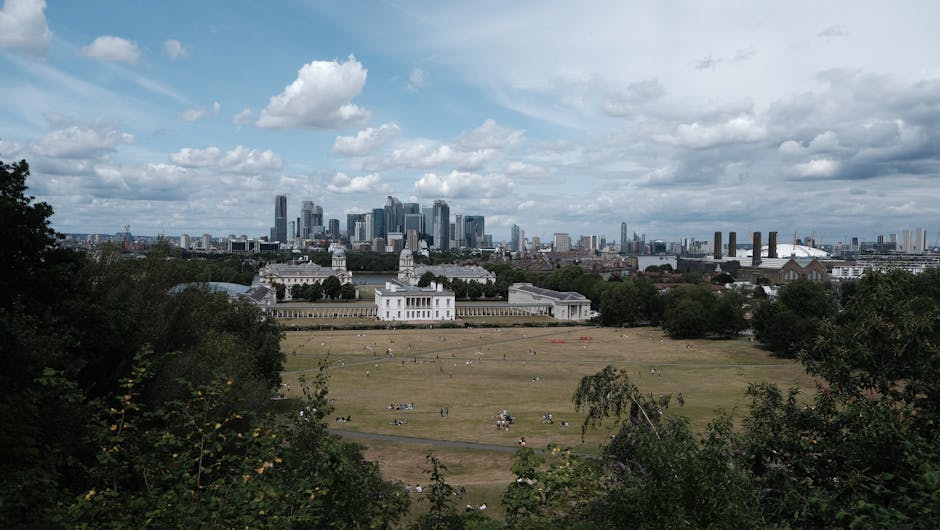
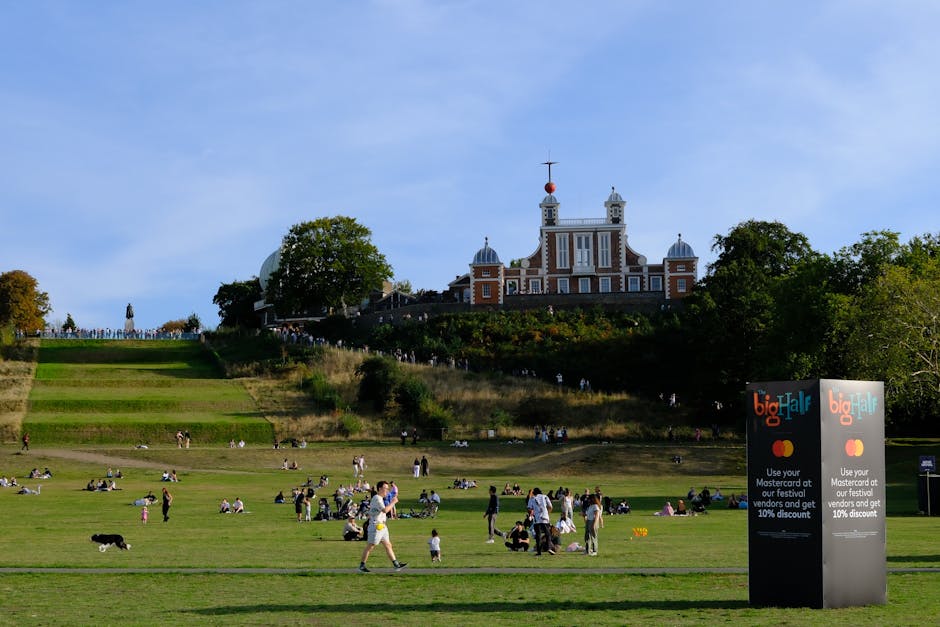
Greenwich Park gives the nearby area a very specific feel: green, established, and often a little exposed. Properties close to it can face more footfall, more wind, more shade in some corners, and more pressure to keep outdoor spaces looking tidy all year round. That sounds obvious, but it changes how a garden should be maintained. A patch that looks fine in July can become a soggy, leaf-strewn nuisance by November. Truth be told, that happens fast.
Gardeners for properties near Greenwich Park in Westcombe Park matter because they bring local judgement. They understand that a front garden may need to look sharp without becoming high-maintenance. They know that a back garden can be family-friendly, pet-friendly, or rental-ready, but rarely all three without a plan. And they are usually better at spotting the small things early: compacted soil, weak turf, hedges that are starting to wander, or hard landscaping that needs a clean before it looks tired.
That local awareness is especially useful in SE3, where gardens often mix older planting with newer layouts. You might have mature trees, narrow access, shaded borders, or a patio that gathers grime quicker than expected. The right approach is less about glamorous transformation and more about steady, intelligent upkeep. Not everything needs redesigning. Sometimes it just needs doing properly.
How Gardeners for properties near Greenwich Park in Westcombe Park Works
In practical terms, local gardening support usually starts with a visit or a clear discussion about the space. A good gardener will ask what matters most to you: presentation, privacy, lawn quality, plant health, usability, or all of the above. That first conversation is often where the real work begins. If the brief is vague, the garden usually ends up looking vaguely improved. Which, let's face it, is not what most people want.
From there, the work is typically broken into manageable tasks. For some homes that means regular garden maintenance in Westcombe Park to keep everything under control. For others it might mean targeted help such as lawn mowing services, hedge trimming, or more involved landscaping work.
The useful bit is how these services fit together. For example, a lawn that is cut regularly but never fed or aerated will usually deteriorate over time. A hedge trimmed into a neat line but never assessed for thickness or regrowth can become patchy. A patio cleaned once, then ignored, often slips back into mossy disrepair. Good gardening is really about sequencing. The job is not just "tidy it up"; it is "keep it healthy and easy to manage next month too."
That is why many properties benefit from a mix of services rather than one-off reactive jobs. Some need ongoing care, some need seasonal tidy-ups, and some need a one-time reset before they can be looked after sensibly. If you want a broader, all-round approach, it helps to look at gardening services in Westcombe Park as the umbrella option.
Key Benefits and Practical Advantages
The obvious benefit is that your garden looks better. But the stronger reason to invest in local gardening help is that it stays better for longer. That matters if you live near Greenwich Park, where many properties are visible from the street or used heavily by families, tenants, or guests.
- Better year-round presentation: tidy borders, controlled growth, cleaner surfaces, and a garden that does not suddenly look neglected after two wet weeks.
- Healthier planting: pruning, feeding, weeding, and soil care done at the right time usually produces stronger results than frantic catch-up work.
- More usable outdoor space: if paths, patios, and seating areas are clean and well planned, you actually use them more.
- Less stress: there is a real mental relief in knowing the hedge is under control and the lawn is not becoming a jungle.
- Better property appeal: whether you are selling, letting, or simply caring for your home, first impressions matter more than people like to admit.
There is also a practical advantage that gets overlooked: time. A competent gardener often spots tasks that would otherwise become expensive later. A cracked timber edge, a failing fence panel, or a tree that needs attention can be dealt with before it turns into a much bigger issue. If your garden has hard surfaces or outdoor structures, services like patio cleaning, decking services, and fencing work can make a surprising difference to both appearance and safety.
Expert summary: the best gardening support near Greenwich Park is not the flashiest. It is the kind that keeps your outdoor space tidy, resilient, and easy to live with, all without demanding constant rescue missions from you.
Who This Is For and When It Makes Sense
This kind of local gardening help makes sense for a wide range of property types. It is not just for large houses with formal lawns. In fact, some of the most demanding gardens are the small ones, because every corner is visible and every missed job stands out.
You may benefit if you are:
- a homeowner who wants a neat, low-drama garden;
- a landlord or letting agent preparing a property for viewings;
- a busy family trying to keep a usable outdoor space without losing weekends to pruning;
- an older resident who prefers support with heavier or repetitive tasks;
- a new buyer in Westcombe Park who wants to understand what the garden actually needs before changing anything;
- someone dealing with overgrown hedges, tired lawns, or a patio that has quietly gone green.
It also makes sense when the space is under pressure from specific conditions. Maybe there is a lot of shade and the lawn struggles. Maybe there is wind exposure, which can be addressed with smarter planting and screening; this is where advice like wind management ideas can be genuinely useful. Or perhaps you have pets and need planting that survives a bit of trampling, which is a very real concern and not a niche one at all.
If the garden feels like a source of guilt rather than enjoyment, that is usually the moment to get help. There is no prize for trying to handle everything alone.
Step-by-Step Guidance
If you are planning work for a property near Greenwich Park, a simple process usually delivers the best results. Fancy words do not help much here. Clear steps do.
- Walk the garden properly. Look at it in daylight and note what annoys you most: weeds, patchy grass, poor privacy, muddy areas, messy borders, or hard surfaces that need attention.
- Separate urgent jobs from nice-to-haves. A broken fence or unsafe branch matters sooner than a decorative refresh. Start with the practical stuff.
- Decide what should be maintained, reduced, replaced, or redesigned. A garden does not need to be completely rebuilt just because it looks scruffy.
- Choose the right service mix. Regular upkeep, lawn care, tree work, hedge trimming, or a landscaping reset each solve different problems.
- Set a seasonal rhythm. Spring and autumn often need more attention than people expect. Summer can lull you into thinking everything is fine, then winter arrives with a bucket of leaves and bad manners.
- Review after the first visit. A good result should feel easier to live with, not just nicer for one weekend.
One helpful clarification: not every improvement needs to be immediate. For example, a lawn that is thin in shade may respond better to gradual lawn care than to repeated quick fixes. Likewise, a hedge can be improved over two or three trims instead of being hacked back in one go. Slow and sensible often wins.
If you are unsure where to begin, many people start with the basics: grass, edges, overgrowth, and a clean of the main paved areas. From there, it becomes much easier to see what the garden is trying to tell you. Yes, gardens do that. Quietly, but clearly.
Expert Tips for Better Results
Small decisions make a large difference. In our experience, the best-looking gardens near Greenwich Park are usually the ones that have a few smart habits behind them.
- Keep edges crisp. A neat lawn edge makes almost everything else look better. Even a modest garden feels cared for when the borders are defined.
- Do not overtrim hedges for the sake of uniformity. Hedges need shape, yes, but they also need enough leaf area to recover. There is a difference between neat and scalped.
- Use planting for structure, not just colour. Evergreen shrubs, climbers, and ground cover can hold a garden together when flowers are out of season. For privacy, you may find inspiration in quick-growing hedge ideas and evergreen climbers for shaded corners.
- Think about what happens in winter. Wet leaves, compacted soil, and frost can undo a lot of summer effort. A bit of planning helps a great deal; the article on winter plant protection is a useful place to start.
- Keep hard landscaping part of the plan. A tidy lawn next to a grimy patio looks unfinished. Cleaning and maintenance should work together.
- Choose low-maintenance features where possible. This is not laziness. It is good design. The best gardens are the ones you can actually keep up with.
A small but useful tip: take photos of the garden at different times of day. Light, shade, and dampness tell you a lot. A corner that looks fine at noon may be useless by 4pm, and that matters when choosing plants or seating. It's a tiny thing, but very revealing.
If you are putting in new seating or want a more social outdoor space, there are some helpful ideas in this seating-focused guide. People often underestimate how much better they feel about a garden once they can genuinely sit in it.
Common Mistakes to Avoid
Most garden problems are not dramatic. They are cumulative. One missed season becomes three. One harsh cut becomes a weak hedge. One ignored patch of moss becomes a slippery path. It all adds up.
- Choosing looks over maintenance. A dramatic planting scheme that needs constant care is usually a poor fit for busy households.
- Cutting everything at once. If a garden is badly overgrown, it is tempting to attack it aggressively. That can damage plants and make recovery harder.
- Ignoring soil condition. Plants struggle when soil is compacted, depleted, or too wet. Good gardeners pay attention beneath the surface.
- Letting hard surfaces slide. A patio or deck that is not cleaned regularly becomes slippery and uninviting. No one wants that.
- Overlooking seasonal timing. The right job at the wrong time can be almost as unhelpful as not doing it at all.
- Trying to maintain privacy with the wrong plants. Fast growth is useful, but it has to suit the available light and space. Otherwise, you just create future problems faster.
There is also a classic mistake that deserves its own mention: treating ivy as "just a bit of greenery." Sometimes it is charming; sometimes it is a persistent headache. If you are dealing with that, the article on removing ivy properly is well worth a read before you start pulling things down in frustration.
And another one: people often buy tools they rarely use, then still do the same jobs badly. Guilty as charged, plenty of us. A better approach is to use a small, reliable set of tools and know when a job is beyond the DIY stage.
Tools, Resources and Recommendations
You do not need a shed full of gadgets to keep a garden in good shape. A focused toolkit and a sensible maintenance plan are usually enough. If you are building your own routine, the following are worth having to hand:
- sharp secateurs for pruning smaller stems;
- a hedge trimmer or professional hedge service for larger hedges;
- a mower suited to the size and condition of the lawn;
- rakes and leaf tools for autumn clean-up;
- a stiff broom or surface cleaner for patios and paths;
- gloves, knee protection, and basic eye protection for DIY work;
- mulch or compost for feeding beds and improving soil structure.
If you are unsure where to start with practical gear, this gardening toolkit guide is a handy reference. For people who prefer less routine labour, a service-led approach may be better, especially if lawn quality matters. In that case, lawn care in Westcombe Park can be a more strategic choice than occasional mowing alone.
For smaller, flexible spaces, container planting can be a smart way to refresh the garden without committing to major works. There is a useful overview in creative container gardening ideas, and it pairs well with homes that have paved courtyards or limited beds.
If your garden is mostly about lower effort and better results, you may also find low-maintenance gardening ideas useful. Not glamorous, perhaps, but very practical. And practical tends to age well.
Law, Compliance, Standards, or Best Practice
For most domestic gardens, the main concern is not formal regulation but responsible practice. That said, there are a few areas where care matters. Tree work should be handled cautiously, especially where branches overhang boundaries or trees are mature. If you are unsure, professional judgement is safer than guesswork, which is not always the cheapest lesson but often the best one.
If a garden includes fencing, gates, or structural timber, it makes sense to keep them in good repair for safety and neighbour relations. For trees, hedge heights, and access routes, local rules and property boundaries can matter more than people expect. None of this needs to become a legal drama, but it should not be ignored either.
Best practice usually means:
- disposing of green waste properly;
- avoiding unnecessary disturbance to nesting birds or wildlife;
- using safe access methods for pruning and tree care;
- keeping paths, patios, and decks free from slips and trip hazards;
- respecting boundaries when trimming or clearing growth.
Tree work in particular should never be rushed. If a tree appears unstable, diseased, or too large to manage safely, it is wiser to seek proper tree surgery services rather than improvising with a ladder and optimism. That usually ends badly. Sometimes very quickly.
Options, Methods, or Comparison Table
Different gardens need different levels of support. The right option depends on size, condition, and how much time you want to spend maintaining the space yourself.
| Approach | Best for | Strengths | Limitations |
|---|---|---|---|
| DIY upkeep | Small gardens, confident owners, light maintenance | Flexible, lower immediate cost, personal control | Time-consuming, easy to delay, can miss bigger issues |
| Regular maintenance service | Busy households, rental properties, steady presentation | Consistent results, less stress, quicker prevention of problems | Requires scheduling and ongoing budget |
| Targeted specialist jobs | Overgrown hedges, poor lawns, tired patios, tree issues | Efficient for specific problems, easier to prioritise | May not solve wider garden decline on its own |
| Full landscaping refresh | Garden redesigns, layout issues, major upgrades | Transforms usability and appearance, long-term value | More planning, more disruption, bigger commitment |
A lot of people actually need a mix. For instance, a small terrace near Greenwich Park might benefit from landscaping for structure, then maintenance for keeping it looking sharp. A larger family garden might need mowing, hedge cutting, and the odd tree or fence job, but no major redesign at all.
Case Study or Real-World Example
Consider a typical Westcombe Park property close to Greenwich Park: a modest rear garden with a tired lawn, a hedge that has lost its line, a few beds that have become overrun, and a paved area that looks dull after a wet winter. Nothing unusual. In fact, this is the sort of garden many people quietly stop noticing because it has become part of the background.
The first step would usually be a tidy-up and reset. The lawn gets cut properly and assessed for thinning. The hedge is shaped back without stripping it bare. The patio is cleaned so the space feels brighter and safer. Then the beds are reduced to a manageable level and mulched so weeds slow down and the soil holds moisture better.
After that, the garden becomes easier to live with. A later visit can focus on longer-term improvement, such as improving planting structure, reinforcing privacy, or planning better seasonal maintenance. The key point is simple: the space stops demanding attention and starts returning it.
That sort of result is very common when the work is done in the right order. Not spectacular for the sake of spectacle. Just a better garden, one that feels settled.
Practical Checklist
Before you book work for a property near Greenwich Park, run through this quick checklist. It keeps decisions focused and avoids that awkward "we should have asked about that first" moment.
- Is the main problem presentation, usability, safety, or all three?
- Does the lawn need mowing, feeding, scarifying, or a full review?
- Are hedges simply untidy, or are they overgrown and blocking light?
- Do patios, decking, or paths need cleaning to restore safety and appearance?
- Are any trees large, damaged, or awkwardly placed?
- Do fencing or boundary issues need attention?
- Would a regular maintenance plan be easier than repeated one-off jobs?
- Are there pets, children, or access issues that affect the plan?
- Is the garden mostly a front-facing display space or a used family area?
- Do you want a quick tidy, a seasonal reset, or a longer-term transformation?
If you can answer those questions clearly, it becomes much easier to choose the right support. If not, that is fine too. Most people start with "it needs sorting out" and go from there. It happens.
Get a free quote today and see how much you can save.
Conclusion
Gardeners for properties near Greenwich Park in Westcombe Park are most valuable when they do more than tidy up. The best local support helps your garden stay healthy, manageable, and suited to the way you actually live. That might mean regular mowing and edging, a hedge trim before things get wild, a proper patio clean, or a broader plan that gives the whole outdoor space a clearer structure.
If your garden has been nagging at you for a while, start with the visible wins. Get the basics under control, then build from there. A garden does not need to be perfect to feel good. It just needs care, rhythm, and a bit of honest attention. And once it has that, everything gets easier.
There is a quiet satisfaction in stepping outside and seeing a space that feels settled again. That is the real goal, really.
Frequently Asked Questions
What do gardeners for properties near Greenwich Park in Westcombe Park usually help with?
They commonly handle mowing, hedge trimming, garden maintenance, planting support, patio cleaning, fence care, and sometimes larger landscaping or tree work. The exact mix depends on the property and how much upkeep it needs.
How often should a garden near Greenwich Park be maintained?
That depends on the size of the garden, the planting style, and how fast things grow. Many homes benefit from regular visits during the growing season, with lighter checks or tidy-ups in quieter months.
Is regular maintenance better than one-off gardening jobs?
For most properties, yes. Regular maintenance usually prevents small issues from becoming bigger ones. One-off work is useful for a reset, but ongoing care keeps the garden easier to manage.
Can local gardeners help with overgrown hedges and privacy screening?
Yes. Hedge trimming and privacy planting are common requests. If you need quicker screening, planting choices and shaping need to be planned together so the hedge remains healthy as it fills out.
What if my lawn is patchy or struggling in shade?
That is common in older gardens and shaded spots near mature planting. A lawn may need a better care routine, some soil improvement, or a rethink on where grass is actually the right surface.
Do gardeners also clean patios and hard surfaces?
Many do, and it is often worth including. A clean patio or path can transform how the whole garden feels, and it also reduces slippery buildup after damp weather.
When should tree surgery be considered?
If a tree is damaged, poorly balanced, overextended, or causing concerns near a structure or boundary, it should be assessed carefully. Tree work is one area where caution matters more than speed.
Is landscaping only for large gardens?
Not at all. Small gardens often benefit even more from thoughtful landscaping because layout mistakes are easier to notice in tight spaces. A better path, seating area, or planting structure can make a big difference.
How can I make a garden lower maintenance without losing its appeal?
Use stronger structure planting, reduce unnecessary lawn area, choose practical materials, and keep the design simple enough to maintain. Ground cover, evergreens, and well-placed seating can help a lot.
What should I ask before booking a gardener?
Ask what is included, how often work is recommended, whether they can handle the specific problem areas, and what order they would tackle things in. A good answer should feel practical, not vague.
Are there any special concerns for properties near a busy park area?
Sometimes, yes. Gardens near popular green spaces can face more exposure, more leaf fall, more visibility, and sometimes more pressure on privacy. That usually means smarter planting and steadier upkeep.
Can gardening help improve a rental property's appearance?
Definitely. A tidy, usable garden can improve first impressions quickly. For rentals, the aim is usually neatness, resilience, and easy upkeep rather than complex design.
What is the best first step if my garden feels overwhelming?
Start with a simple assessment of the worst three problems. Usually that means weeds, overgrowth, and a tired lawn or patio. Once those are under control, the rest becomes much easier to judge.